
Erectile dysfunction (ED) is a prevalent condition that affects millions of men worldwide, leading to significant distress, anxiety, and relationship issues. Fortunately, advancements in medical research have paved the way for various treatment options, which can be broadly categorized into pharmacological interventions, psychological therapies, lifestyle modifications, and surgical options. This article aims to explore the theoretical underpinnings and practical applications of these treatment modalities.
Pharmacological Treatments
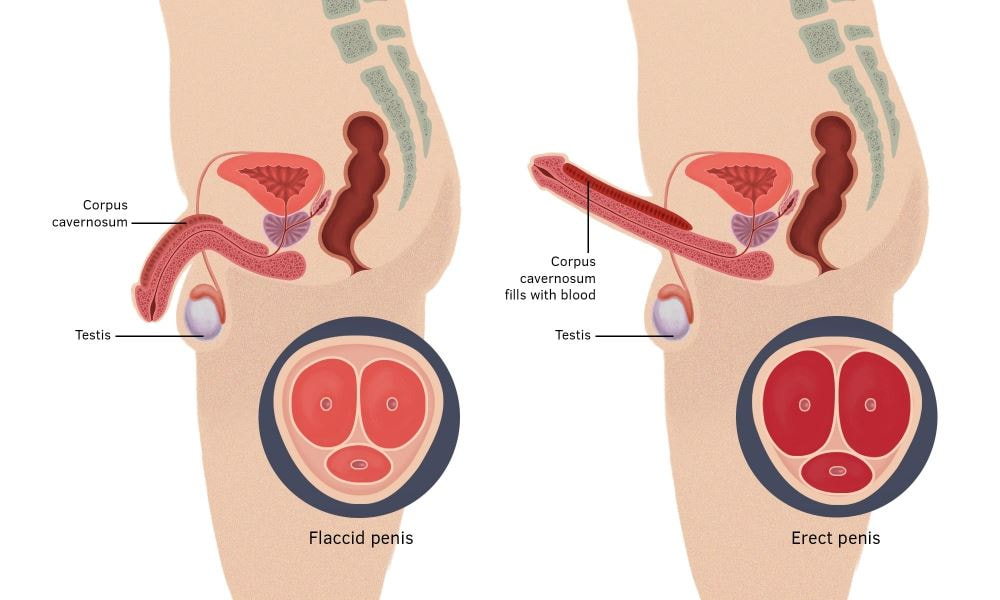
Pharmacotherapy remains the cornerstone of ED treatment. The introduction of phosphodiesterase type 5 (PDE5) inhibitors, such as sildenafil (Viagra), tadalafil (Cialis), and vardenafil (Levitra), has transformed the landscape of ED management. These medications work by enhancing the effects of nitric oxide, a chemical that relaxes blood vessels in the penis, increasing blood flow and facilitating erections in response to sexual stimulation.
Mechanism of Action
The PDE5 inhibitors selectively inhibit the enzyme phosphodiesterase type 5, thus preventing the breakdown of cyclic guanosine monophosphate (cGMP), a molecule that plays a crucial role in the erectile process. By increasing cGMP levels, these medications promote vasodilation and improve penile perfusion, resulting in enhanced erectile function.
Considerations
While generally safe, the use of PDE5 inhibitors is not without potential side effects, including headaches, flushing, nasal congestion, and gastrointestinal discomfort. If you cherished this article therefore you would like to obtain more info with regards to ed remedy guide kindly visit the internet site. Additionally, these medications may interact with nitrates and certain antihypertensive drugs, necessitating a thorough medical history assessment prior to prescribing.
Psychological Therapies
ED is often multifactorial, with psychological factors frequently playing a significant role. Anxiety, depression, and relationship issues can all contribute to erectile dysfunction, making psychological therapy an essential consideration in treatment.
Cognitive Behavioral Therapy (CBT)
CBT is a widely recognized therapeutic approach that aims to change negative thought patterns and behaviors that contribute to ED. Through structured sessions with a trained therapist, individuals can develop coping strategies, improve self-esteem, and address relational dynamics that may hinder sexual function. The theoretical basis of CBT asserts that modifying cognitive distortions can lead to behavioral changes and improvements in sexual health.
Sex Therapy
Sex therapy, conducted by licensed sex therapists, focuses on improving sexual relationships through open communication, intimacy-building exercises, and education about sexual functioning. The theoretical approach here is rooted in understanding the sexual psychology and interpersonal dynamics that may impede sexual satisfaction.
Lifestyle Modifications
In many cases, lifestyle changes can significantly mitigate the symptoms of ED by addressing underlying health conditions and improving overall wellness. Common recommendations include:
- Exercise: Regular physical activity can improve cardiovascular health, enhance mood, and promote weight loss, all of which can positively impact erectile function.
- Diet: A balanced diet rich in fruits, vegetables, whole grains, and healthy fats can help reduce the risk of heart disease and diabetes, both of which are linked to ED.
- Smoking Cessation: Smoking has been shown to impair blood flow and damage blood vessels; quitting smoking is strongly advised for those experiencing ED.
- Alcohol Moderation: Excessive alcohol consumption can lead to or exacerbate ED. Cutting back can improve erectile function.
- Stress Management: Techniques such as mindfulness, meditation, and yoga can help reduce anxiety and stress, which are often implicated in erectile dysfunction.
Vacuum Erection Devices (VEDs)
Vacuum erection devices are another treatment option for men seeking non-pharmacological interventions. These devices consist of a hollow cylinder placed over the penis, which creates a vacuum to draw blood into the penis, resulting in an erection. A constriction band is then placed at the base to maintain the erection.
Effectiveness and Acceptance
Various studies have demonstrated the efficacy of VEDs, with success rates ranging from 60-90%. However, concerns regarding usability and the perceived unnaturalness of the method can deter some men from using this technique. The theoretical challenge lies in changing societal perceptions about the device to encourage its acceptance.
Intracavernosal Injections and Urethral Suppositories
For individuals who do not respond to oral medications, intracavernosal injections (ICI) present a viable alternative. Medications, including alprostadil, can be injected directly into the penis, causing an erection within minutes. Urethral suppositories, also containing alprostadil, can be administered as an alternative to injections, offering convenience but with slightly lower efficacy.
Patient Education
As with any injection procedure, proper education regarding technique and risks, such as priapism and infection, is essential to ensure that patients feel comfortable and informed.
Surgical Options
When conservative treatments fail, surgical options may be appropriate. The two primary types of surgical interventions include penile prosthesis implantation and vascular surgery.
Penile Prosthesis
Penile implants are devices implanted surgically into the penis, enabling men to achieve an erection on demand. Types of implants include inflatable and malleable devices. The theoretical premise of this approach is to provide a permanent solution for ED in cases where other treatments have been ineffective.
Vascular Surgery
In specific cases, vascular surgeries can restore blood flow to the penis. This option is usually reserved for younger men with specific anatomical issues. The theoretical framework surrounding vascular surgery is based on the premise that correcting underlying vascular problems can directly restore erectile capability.
Conclusion
Erectile dysfunction is a complex condition with a variety of treatment options tailored to individual needs. Understanding the multifaceted nature of ED—including the interplay of psychological, physiological, and lifestyle factors—is essential for effective management. As ongoing research continues to illuminate the pathways to erect efficacy, health providers are better equipped to offer patients a range of therapeutic options, paving the way for improved sexual health and quality of life. Each treatment plan should be individualized, taking into account patient preferences, medical history, and the underlying causes of erectile dysfunction, ultimately fostering patient empowerment in sexual health choices.