
This shift towards a more data-driven approach reflects the Army’s recognition of the importance of physical fitness in maintaining a ready and capable force. The introduction of the ACFT calculator in 2026 also aligns with the Army’s commitment to leveraging technology to enhance soldier performance. The Army has been at the forefront of adopting innovative solutions to improve training and operational effectiveness. By integrating a digital tool that simplifies the scoring process, the Army can ensure that soldiers spend less time calculating their scores and more time focusing on their physical training.

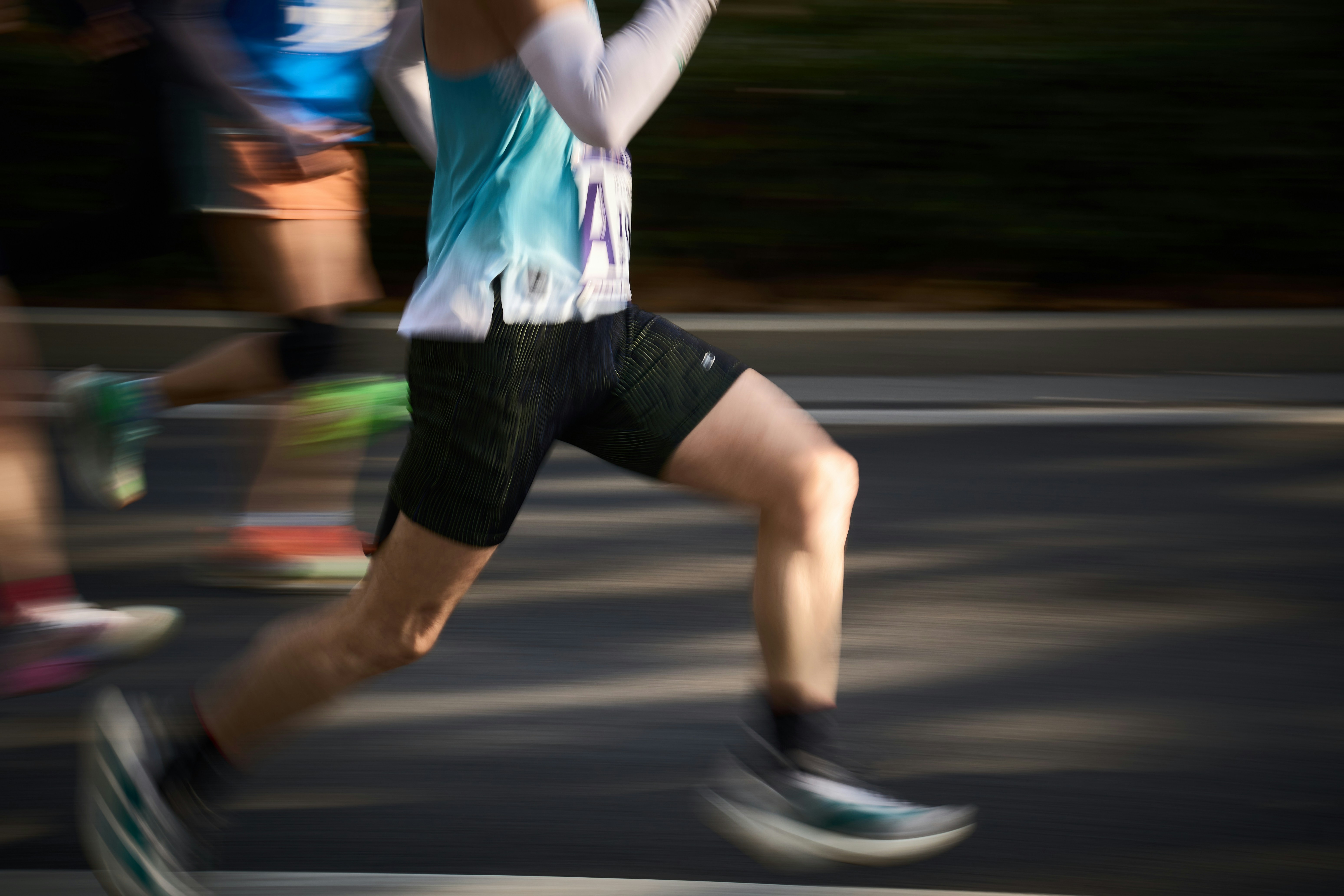
The introduction of the ACFT has had a profound impact on soldier readiness and performance. Many soldiers have reported feeling more prepared for the physical demands of their roles, as the ACFT’s events are more reflective of real-world combat scenarios. The emphasis on functional fitness has encouraged soldiers to adopt a more holistic approach to their training, focusing on strength, endurance, and agility.
Hand-Release Push-Ups: Unlike traditional push-ups, this variation requires soldiers to lift their hands off the ground at the bottom of each repetition, emphasizing upper body strength and endurance. Deadlift: Soldiers lift a hex bar with weights from the ground to a standing position, measuring lower body strength. Sprint-Drag-Carry: In this event, soldiers sprint 50 meters, drag a sled back, and then carry two kettlebells for a distance of 50 meters, testing agility, strength, and cardiovascular endurance. Standing Power Throw: This event requires soldiers to throw a 10-pound medicine ball as far as possible, testing explosive power and coordination. Leg Tuck: Soldiers hang from a pull-up bar and pull their knees to their chest, assessing core strength and grip. Two-Mile Run: The final event is a timed two-mile run, which remains a staple in assessing cardiovascular endurance.
This test aims to better reflect the physical demands of combat and operational tasks, promoting a culture of fitness that aligns with the Army’s mission. The ACFT was introduced as a more comprehensive assessment of soldiers’ physical readiness, moving away from the traditional Army Physical Fitness Test (APFT). The ACFT consists of six events: the deadlift, standing power throw, hand-release push-up, sprint-drag-carry, leg tuck (or plank), and a two-mile run.
As of 2023, the introduction of alternate events for the leg tuck, such as the plank, has provided more options for soldiers to demonstrate their fitness. Additionally, the Army has been proactive in addressing the needs of soldiers with varying physical capabilities. This trend is likely to continue, with further adaptations made to ensure that all soldiers can meet the standards while still being held accountable for their physical readiness.
This feature is particularly beneficial for soldiers who are training for the ACFT, as it allows them to track their progress over time and make informed decisions about their training strategies. One of the primary advantages of the ACFT calculator is its ability to provide instant feedback. With the calculator, soldiers can identify their strengths and weaknesses, focusing on areas that require improvement. Soldiers can input their performance metrics for each event, and the calculator will generate an overall score immediately.
